HomeCostGuide

HVAC replacement guide

How much does HVAC replacement cost?

Use this guide to understand equipment choices, efficiency ratings, ductwork, electrical needs, and quote details before replacing an HVAC system.

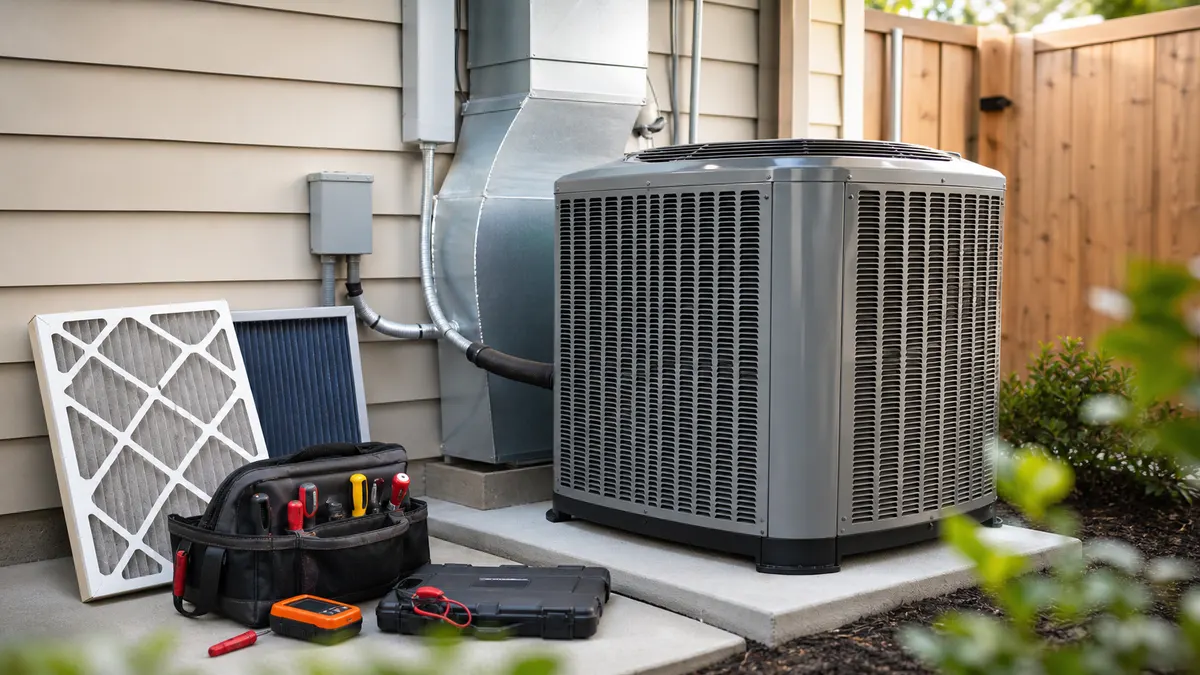
HVAC replacement planning with outdoor condenser, air filter, and service tools

Quick planning action

Estimate HVAC costs with the free calculator

Open HVAC calculator

The calculator uses home size, system type, efficiency, ductwork, and complexity to create a planning range.

HVAC replacement cost drivers

System type

Furnace and AC, heat pump, mini-split, and package systems have different equipment and installation costs.

Efficiency level

Higher efficiency equipment can cost more upfront but may lower operating costs depending on climate and utility rates.

Ductwork and airflow

Leaky, undersized, damaged, or missing ducts can add major cost beyond equipment replacement.

Electrical and permits

Panel capacity, disconnects, condensate, gas lines, refrigerant lines, permits, and inspections can affect the final quote.

Planning steps

How to plan HVAC replacement

  1. 1

    Document home size, system age, comfort problems, duct issues, thermostat needs, and recent utility concerns.

  2. 2

    Ask contractors to size equipment properly and explain system type, efficiency rating, rebates, and warranty options.

  3. 3

    Confirm whether ducts, electrical work, refrigerant lines, condensate drainage, permits, or code updates are included.

  4. 4

    Compare quotes by equipment model, labor, ductwork, electrical scope, thermostat, warranty, and maintenance plan.

How to plan HVAC replacement beyond the equipment price

HVAC replacement cost depends on sizing, ducts, electrical, efficiency, refrigerant lines, permits, and the condition of the existing system.

Start with load and comfort issues

Replacing equipment without understanding comfort problems can repeat the same issues.

  • List rooms that are too hot, too cold, humid, noisy, dusty, or hard to balance.
  • Ask whether a load calculation is needed instead of matching the old equipment size automatically.
  • Discuss insulation, air sealing, duct leakage, returns, filters, and thermostat location.

Review system scope

The outdoor unit or furnace is only part of the project.

  • Confirm whether the quote includes indoor coil, furnace or air handler, condenser, line set, pad, disconnect, drain, and thermostat.
  • Ask about duct modifications, electrical work, condensate pump, venting, gas line, and code upgrades.
  • Compare efficiency ratings, warranty length, labor warranty, maintenance needs, and available rebates.

Plan installation day details

A good quote should explain what happens before and after the equipment is installed.

  • Ask how old equipment is removed, how refrigerant is handled, and whether permits are included.
  • Confirm startup testing, airflow checks, thermostat setup, filter size, and owner walkthrough.
  • Request model numbers and warranty registration information in writing.

Cost factors to confirm before you hire

  • Equipment size, efficiency rating, duct condition, line set, thermostat, permits, electrical, venting, and condensate management shape the quote.
  • A direct replacement can cost less than a system redesign, but it may not solve comfort problems if ducts or insulation are weak.
  • Rebates, labor warranty, maintenance requirements, and financing terms can change the real ownership cost.

Common planning mistakes

  • Replacing the old unit with the same size without checking load, airflow, and comfort complaints.
  • Comparing equipment brands without matching model numbers, efficiency ratings, and included components.
  • Ignoring duct leakage, return air, filter access, noise, and humidity control.

Questions to ask contractors

  • Will you perform or verify a load calculation before selecting equipment size?
  • Are coil, line set, pad, disconnect, thermostat, permits, startup testing, and warranty registration included?
  • What duct, electrical, drain, venting, or code upgrades are excluded from the base price?

Timing and scheduling note

Many direct HVAC replacements are completed in one day once equipment is available. Duct changes, electrical work, permits, and utility coordination can add time.

Related planning pages

Three HVAC budgeting rules

  • Do not size by guesswork. Ask how the contractor calculates system size and whether duct capacity is being checked.
  • Compare equipment details. Quotes should show brand, model, efficiency, warranty, thermostat, and included accessories.
  • Ask about ducts and airflow. New equipment cannot perform well if airflow problems are ignored.

What to ask HVAC contractors

What equipment model, size, efficiency rating, and warranty are included?

Is ductwork inspection, sealing, repair, or replacement included?

Are permits, electrical work, thermostat, condensate, and disposal included?

What maintenance or registration is required to keep the warranty valid?

HVAC replacement FAQs

Should I replace the furnace and AC together?

Replacing both can make sense if both systems are old or mismatched, but the best choice depends on age, condition, efficiency, and budget.

Do I need new ductwork?

Not always. Ductwork may need sealing, repair, resizing, or replacement if airflow is poor or ducts are damaged.

Is a smart thermostat included?

Some quotes include one and others do not. Confirm thermostat model, compatibility, and installation details.

Why this guide matters

HVAC replacement affects comfort, safety, and operating costs. A detailed scope helps you compare more than just the headline price.