HomeCostGuide

Landscaping cost guide

How much does landscaping cost?

Use this guide to plan yard refreshes, planting beds, sod, mulch, grading, and landscape project scope before you request bids.

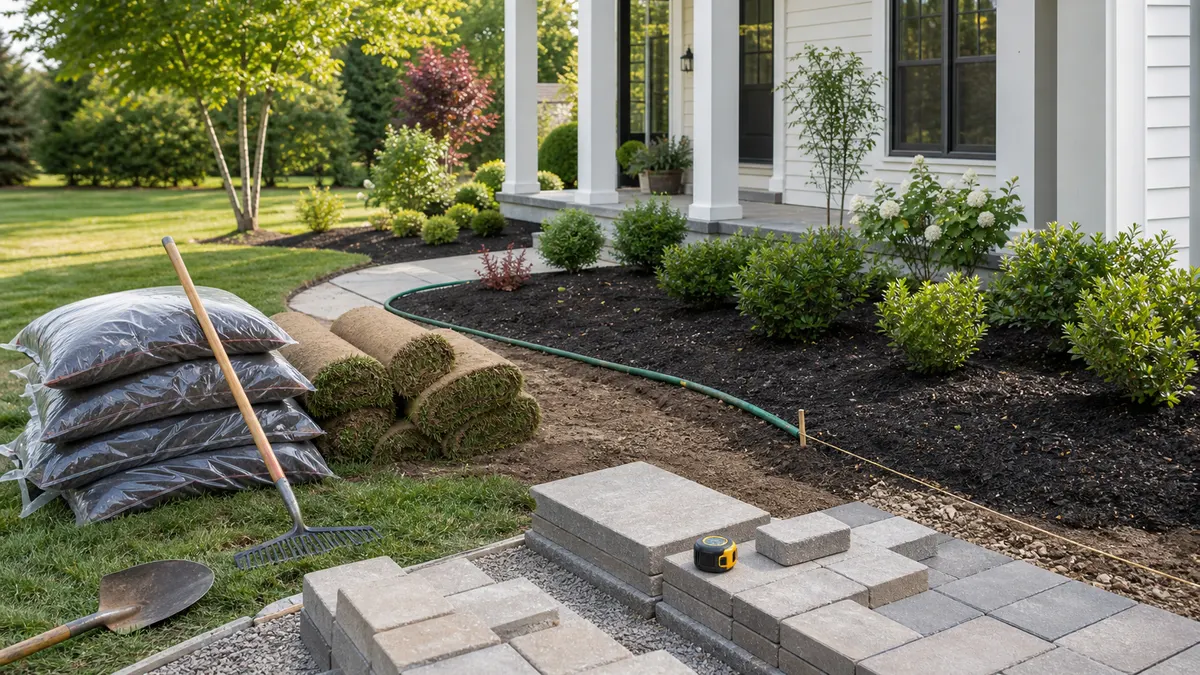
Residential landscaping materials with mulch, sod, shrubs, pavers, rake, shovel, and garden hose

Quick planning action

Estimate costs with the free calculator

Open calculator

The calculator uses your project inputs to create a national-average planning range. Use this guide to understand the scope details that can move a real quote higher or lower.

Landscaping cost drivers

Landscaping cost factors

Landscaping costs depend on project area, plant selection, soil prep, grading, mulch, edging, sod, irrigation, and access. A simple refresh costs much less than a full redesign with hardscape features.

Planting and material choices

Larger trees, mature shrubs, specialty plants, stone borders, and premium mulch increase material costs. Native and climate-appropriate plants can reduce long-term maintenance.

Planning a landscape budget

Separate must-have work from optional upgrades. Drainage, grading, and soil health should usually come before decorative features because they affect long-term performance.

Planning steps

How to plan a landscaping project

  1. 1

    Map the project area and identify drainage, grading, sun exposure, irrigation, existing plants, and access limits.

  2. 2

    Decide whether the project is a refresh, new beds, sod installation, planting plan, or full redesign.

  3. 3

    Choose plant sizes, mulch, edging, soil amendments, fabric, irrigation, and maintenance expectations.

  4. 4

    Compare quotes by site prep, materials, plant warranty, cleanup, watering instructions, and phased upgrade options.

How to plan landscaping work in phases

Landscaping budgets are easier to manage when planting, soil, drainage, hardscape, and maintenance are planned separately.

Map the yard before choosing plants

A simple yard map helps avoid buying plants or materials that do not fit the site.

  • Measure beds, lawn areas, slopes, walkways, fences, utilities, irrigation, and drainage paths.
  • Note sun exposure, shade, soil condition, erosion, standing water, and maintenance limits.
  • Decide which areas need a refresh now and which can wait for a later phase.

Separate softscape and hardscape

Planting work and construction work often require different pricing assumptions.

  • List sod, seed, mulch, soil, shrubs, trees, edging, boulders, pavers, gravel, lighting, and irrigation separately.
  • Ask whether grading, drainage, weed barrier, fabric staples, and old material removal are included.
  • Clarify plant sizes, warranties, watering expectations, and replacement policy.

Plan maintenance from the start

A low-maintenance design can cost more upfront but save effort later.

  • Choose plants based on mature size, water needs, local climate, and deer or pest pressure.
  • Ask how beds should be watered, mulched, pruned, fertilized, and refreshed each season.
  • Keep room in the budget for drainage fixes before spending on decorative finishes.

Cost factors to confirm before you hire

  • Design complexity, plant size, soil prep, grading, drainage, mulch, edging, irrigation, lighting, and hardscape features drive cost.
  • Large trees, boulders, pavers, retaining elements, and drainage correction are usually more expensive than simple planting refreshes.
  • Maintenance needs should influence plant choices, bed size, watering strategy, and long-term budget.

Common planning mistakes

  • Buying plants before checking sun, shade, soil, mature size, water needs, and drainage.
  • Spending on decorative finishes before fixing erosion, standing water, or grading problems.
  • Forgetting disposal, delivery, soil amendments, irrigation adjustments, and seasonal maintenance.

Questions to ask contractors

  • Are design, soil prep, grading, drainage, mulch, edging, delivery, and cleanup included?
  • What plant sizes, warranties, watering instructions, and replacement policy are included?
  • Which parts of the plan can be phased without wasting money later?

Timing and scheduling note

Simple bed refreshes may take a day or two. Larger landscape projects can stretch across phases because grading, drainage, hardscape, planting, and irrigation often need to happen in order.

Related planning pages

What to ask before you compare quotes

What materials, labor, disposal, and cleanup are included?

Are permits, inspections, code updates, or site prep priced separately?

What assumptions could change the price after work begins?

What warranty or workmanship terms are included in the quote?

Landscaping FAQs

How much does landscaping cost?

Many landscaping projects range from about $4 to $16 per square foot, depending on scope, planting density, and site complexity.

Is sod included?

Yes, choose the sod installation scope for a rough national average sod project estimate.

Does this include hardscaping?

No. Patios, retaining walls, outdoor kitchens, and major hardscaping should be estimated separately.